Debt Payment Tracker
Managing debt can feel overwhelming, especially when you're juggling multiple bills, credit cards, and loans. A Debt Payment Tracker is a practical tool that helps you take control of your financial situation by keeping all your debts in one place. It allows you to see exactly what you owe, when payments are due, and how much you've paid off over time.
Imagine this: you're working a full-time job, taking care of family, and trying to keep up with your monthly expenses. Without a clear system, it's easy to miss a payment or forget about a smaller debt. A Debt Payment Tracker helps prevent these situations by giving you a visual and organized way to track your progress. It’s not just about avoiding late fees—it’s about building better financial habits that lead to long-term stability.
Real-World Situations Where a Debt Payment Tracker Helps
For many people, debt comes in different forms. Whether it's student loans, credit card balances, medical bills, or personal loans, each has its own set of rules and deadlines. A Debt Payment Tracker can be tailored to fit any of these scenarios. For example, if you have a student loan with a fixed monthly payment, the tracker helps you stay on top of that amount. If you have credit card debt with high interest rates, it can help you prioritize which debts to pay off first.
Consider someone who recently graduated and has multiple student loans. They might feel lost trying to remember which loan is due when. A Debt Payment Tracker gives them a clear schedule, making it easier to plan their budget and avoid missed payments. Similarly, a parent with a mortgage, car loan, and credit card debt can use the tracker to ensure they’re paying all obligations on time without confusion.
Who Benefits from Using a Debt Payment Tracker?
The benefits of a Debt Payment Tracker extend beyond just individuals. Small business owners, for instance, often have multiple financial obligations, including payroll, suppliers, and equipment financing. Keeping track of all these payments manually can be time-consuming and error-prone. A tracker simplifies this process, allowing business owners to focus on growth rather than constantly checking invoices and due dates.
Freelancers and gig workers also find value in a Debt Payment Tracker. Since their income can be irregular, it’s essential to plan payments carefully. A tracker helps them allocate funds efficiently, ensuring they never miss a payment even during slow months. This level of organization can make a big difference in maintaining good credit scores and avoiding financial stress.
How to Use a Debt Payment Tracker Effectively
Using a Debt Payment Tracker starts with gathering all your debt information. List out each debt, including the total balance, interest rate, minimum payment, and due date. Once you have this data, input it into the tracker. Some people prefer digital tools, while others like printable versions that they can update by hand. The key is to choose a format that works best for your lifestyle.
Each month, update the tracker with the payments you’ve made. Record the remaining balance and note any extra payments you’ve made. This helps you see how far you’ve come and where you might need to adjust your strategy. For example, if you’ve been making extra payments on a high-interest credit card, the tracker will show how much you’ve saved in interest over time.
Regularly reviewing your tracker is important. It allows you to spot trends, identify potential issues, and make informed decisions. If you notice that you’re consistently missing payments on a particular debt, it might be time to reassess your budget or explore options like debt consolidation.
Choosing the Right Debt Payment Tracker
Not all Debt Payment Trackers are created equal. Some are simple spreadsheets, while others are comprehensive digital apps with automated reminders and reporting features. When choosing a tracker, consider your needs and preferences. If you’re tech-savvy, a digital tool might be more convenient. If you prefer hands-on organization, a printable version could work better.
Also, think about the features that matter most to you. Do you need reminders for upcoming payments? Can you customize the tracker to include specific types of debt? Are you looking for something that integrates with your banking or budgeting apps? These factors can influence which tracker is the best fit for your situation.
Strengths and Limitations of a Debt Payment Tracker
One of the biggest strengths of a Debt Payment Tracker is its ability to provide clarity. It turns complex financial information into an easy-to-understand format, helping you stay focused on your goals. It also promotes accountability, as seeing your progress can be a powerful motivator.
However, a Debt Payment Tracker is only as effective as the user’s commitment. If you don’t update it regularly or ignore the information it provides, it won’t help you achieve your financial goals. Additionally, some trackers may lack advanced features, such as interest calculation or payment scheduling, which could be a limitation for users with more complex debt situations.
Creating Your Own Debt Payment Tracker
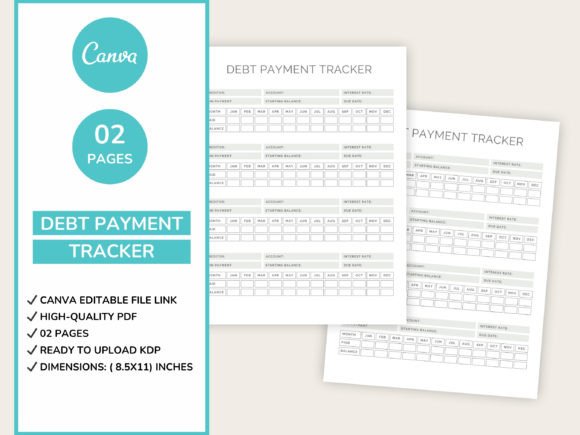
If you’re looking for a customizable solution, creating your own Debt Payment Tracker can be a great option. You can use tools like Microsoft Excel, Google Sheets, or even Canva to design a tracker that fits your specific needs. Many templates are available online, offering a starting point that you can modify to include your debts, payment schedules, and progress updates.
For those who prefer a ready-made solution, there are printable PDFs that can be downloaded and used immediately. These often include sections for tracking balances, recording payments, and setting goals. Some even come with tips on how to use the tracker effectively, making them ideal for beginners.
Whether you choose a digital or printable version, the goal is to create a system that works for you. The right Debt Payment Tracker can be a valuable asset in your journey toward financial freedom, helping you stay organized, motivated, and in control of your money.