Daily Sales Log Book for Small Business: Your Essential Notebook and Organizer
For small business owners, staying organized is crucial to success. One of the most effective tools in maintaining order and tracking performance is a Daily Sales Log Book. This simple yet powerful notebook helps you keep track of your daily transactions, monitor inventory levels, and maintain accurate records of your sales activities. Whether you're running a home-based business, participating in craft fairs, or managing a small enterprise, a well-structured sales log book can make a significant difference in how you operate your business.
A Daily Sales Log Book is more than just a record-keeping tool—it's a strategic asset that can help you understand your business better. By documenting each sale, you gain insights into what products are selling well, which days are busiest, and how much revenue you’re generating. This information is invaluable when making decisions about inventory management, pricing strategies, and future planning.
What Is a Daily Sales Log Book?
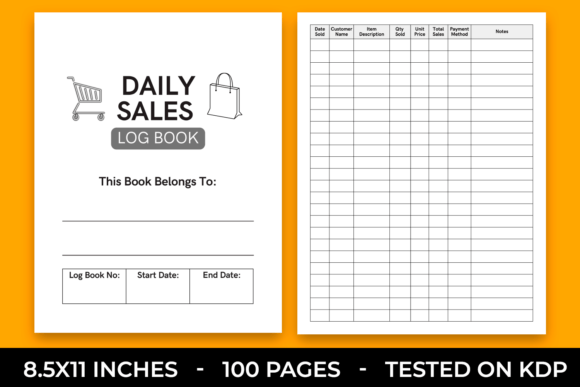
A Daily Sales Log Book is a structured notebook designed to capture detailed information about each sale made by a business. It typically includes sections for item description, quantity sold, unit price, and total sale amount. Some versions also include space for notes, customer details, and payment methods. The goal is to create a clear, easy-to-use system that allows you to track all aspects of your daily sales without confusion or errors.
This type of log book is particularly useful for small businesses because it provides a straightforward way to manage data without the need for complex software. It’s ideal for entrepreneurs who prefer a manual approach or those who may not have access to digital tools. With a printable PDF format, it's also convenient for Amazon KDP sellers looking to offer a practical resource to their customers.
Why Use a Daily Sales Log Book?
There are several reasons why a Daily Sales Log Book is an essential tool for small business owners:
- Improved Organization: A log book keeps all your sales data in one place, reducing the risk of lost or misplaced records.
- Accurate Record-Keeping: By logging each transaction, you ensure that your financial records are precise and up-to-date.
- Inventory Management: Tracking what you sell helps you monitor stock levels and avoid overstocking or running out of popular items.
- Business Insights: Over time, the data collected in your log book can reveal trends, helping you make informed decisions about your business strategy.
Additionally, a Daily Sales Log Book can be especially helpful during tax season, as it provides a clear record of income and expenses. For small business owners, this can simplify the process of preparing financial statements and filing taxes.
Features of a High-Quality Daily Sales Log Book
When choosing a Daily Sales Log Book, look for features that enhance usability and functionality. A well-designed log book should include the following elements:
- Clear Layout: A clean and organized layout makes it easier to input and retrieve data quickly.
- Dedicated Sections: Sections for item descriptions, quantities, prices, and totals help streamline the recording process.
- Space for Notes: Additional space for comments or special instructions can be useful for tracking customer preferences or unique orders.
- Printable Format: A printable PDF version allows for easy printing and distribution, making it ideal for KDP sellers and small business owners who want to provide a physical product to their customers.
Some log books also include additional pages for tracking expenses, receipts, or customer feedback. These extra features can further enhance the usefulness of the notebook, making it a comprehensive tool for business management.
How to Use a Daily Sales Log Book Effectively
Using a Daily Sales Log Book doesn’t have to be complicated. Here are some tips to help you get the most out of your log book:
- Record Transactions Daily: Make it a habit to update your log book at the end of each business day to ensure accuracy.
- Be Consistent: Use the same format and terminology for each entry to maintain clarity and ease of reference.
- Review Regularly: Take time to review your log book weekly or monthly to identify patterns and make necessary adjustments to your business strategy.
- Store Securely: Keep your log book in a safe place to protect sensitive business information from loss or damage.
By following these practices, you can turn your Daily Sales Log Book into a valuable resource that supports your business operations and growth.
The Role of a Daily Sales Log Book in Modern Business
In today’s fast-paced business environment, having a reliable method for tracking sales is more important than ever. While many businesses rely on digital tools and accounting software, a Daily Sales Log Book offers a low-tech alternative that can be just as effective. It’s particularly useful for small businesses that may not have the budget for expensive software solutions.
Moreover, a Daily Sales Log Book can complement digital systems by providing a backup record of transactions. In case of technical issues or data loss, having a physical log book ensures that you don’t lose critical business information.
For entrepreneurs who participate in events like craft fairs or pop-up markets, a log book can be a lifeline. It allows them to quickly document sales, track inventory, and manage cash flow on the go. This level of organization can make a big difference in the success of a small business.
Common Misconceptions About Sales Log Books
Despite their usefulness, there are some common misconceptions about Daily Sales Log Books:
- Misconception: They Are Only for Large Businesses: In reality, small businesses can benefit just as much from using a sales log book. It helps them stay organized and make informed decisions.
- Misconception: They Are Too Time-Consuming: While it does take a little time to log each sale, the long-term benefits of accurate record-keeping far outweigh the effort required.
- Misconception: Digital Tools Replace Them: While digital tools are convenient, a physical log book can serve as a backup and provide a tangible record of business activity.
Understanding these misconceptions can help small business owners appreciate the value of a Daily Sales Log Book and use it effectively in their operations.
Conclusion
A Daily Sales Log Book is an essential tool for any small business owner looking to stay organized and maintain accurate records. Whether you're running a home-based business, attending craft fairs, or managing a small enterprise, this notebook can help you track your sales, monitor inventory, and make informed decisions. With its user-friendly design and practical features, it's an ideal solution for entrepreneurs who want to keep their business operations smooth and efficient.
For those interested in offering a printable PDF version of a Daily Sales Log Book, such as for Amazon KDP, there are many options available that are tested, bleed-free, and optimized for easy use. By investing in a high-quality log book, you're taking a proactive step toward better business management and long-term success.