299 Anxious Attachment Style Prompts: A Practical Guide to Understanding and Healing
If you've ever felt a deep need for reassurance in your relationships or found yourself constantly worrying about being abandoned, you might be dealing with an anxious attachment style. This pattern often stems from early experiences where emotional needs weren't consistently met, leading to a heightened sensitivity to perceived rejection or distance. Fortunately, tools like the 299 Anxious Attachment Style Prompts journal can help you explore these feelings in a structured and meaningful way.
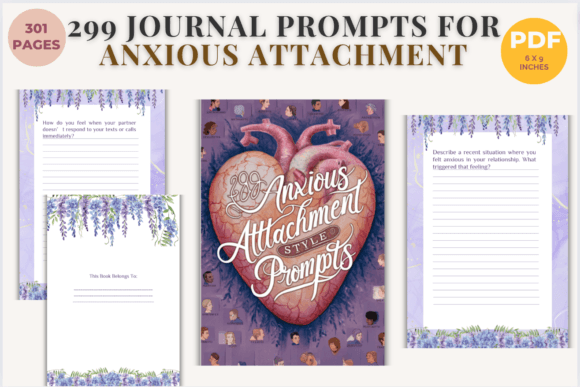
The 299 Anxious Attachment Style Prompts is more than just a list of questions—it's a roadmap for understanding how your past shapes your present interactions. Each prompt is designed to encourage reflection on your emotions, behaviors, and relationship dynamics. Whether you're trying to break free from cycles of worry or simply want to improve communication with a partner, this journal offers a space to process and grow.
Real-World Applications of the 299 Anxious Attachment Style Prompts
Imagine sitting down with the 299 Anxious Attachment Style Prompts journal after a tough conversation with a loved one. Instead of letting anxiety take over, you can use a prompt like "What did I fear was going to happen during our last interaction?" to unpack your emotions. This kind of introspection helps you recognize patterns and respond more thoughtfully instead of reacting out of fear.
For someone in a long-term relationship, the prompts can serve as a tool for open dialogue. A question like "How do I feel when my partner doesn’t respond immediately?" might lead to a deeper conversation about expectations and emotional needs. It’s not about blaming anyone but rather creating a shared understanding of how each person navigates intimacy.
Professionals in helping fields, such as therapists or counselors, might also find value in using the 299 Anxious Attachment Style Prompts as part of their work. These prompts can be used in sessions to guide clients through self-reflection, making it easier to identify triggers and develop coping strategies. For example, a client struggling with trust issues could benefit from a prompt like "What does it mean to me when someone is late?" to explore underlying fears.
Who Benefits from the 299 Anxious Attachment Style Prompts?
The 299 Anxious Attachment Style Prompts is particularly useful for adults who are actively working on their emotional well-being. It’s ideal for those who want to understand their own behavior in relationships or support others in doing the same. Whether you're single, in a relationship, or navigating a breakup, this journal can provide clarity and direction.
It’s also beneficial for people who prefer a structured approach to self-improvement. Unlike general journaling, the 299 Anxious Attachment Style Prompts offers specific guidance, which can be especially helpful for those who feel overwhelmed by open-ended reflection. The prompts act as gentle nudges, guiding you toward insights you might otherwise miss.
Additionally, the compact size of the journal—6 x 9 inches—makes it easy to carry around. You can jot down thoughts during a commute, before bed, or even during a quiet moment at work. Its portability ensures that you can engage with the prompts whenever and wherever you need to.
Practical Examples of Using the 299 Anxious Attachment Style Prompts
Consider a scenario where someone is feeling neglected in their relationship. They might use a prompt like "What would I need to feel more secure right now?" to identify what they’re missing and how to communicate that to their partner. This kind of exercise can lead to more honest and constructive conversations.
Another example is when someone is dealing with social anxiety. A prompt such as "When do I feel most insecure in social settings?" can help uncover specific situations or triggers. By recognizing these patterns, individuals can work on building confidence and developing healthier social habits.
Even in professional environments, the 299 Anxious Attachment Style Prompts can be useful. A person who feels anxious about feedback might use a prompt like "What do I fear will happen if I don’t meet expectations?" to examine their underlying concerns and find ways to reframe their mindset.
Considerations Before Using the 299 Anxious Attachment Style Prompts
While the 299 Anxious Attachment Style Prompts is a powerful tool, it’s important to approach it with an open mind. Some prompts may bring up difficult emotions, and that’s okay. The goal isn’t to avoid discomfort but to process it in a healthy way. If you find certain prompts too intense, it’s perfectly fine to skip them or revisit them later when you feel more ready.
It’s also worth noting that while the journal provides valuable guidance, it shouldn’t replace professional support. If you’re struggling with severe anxiety or attachment issues, working with a therapist can offer additional insights and strategies tailored to your unique situation.
The digital format of the journal adds flexibility, allowing users to access prompts on their devices or print them out for a more tactile experience. This makes it accessible to a wide range of users, whether they prefer technology or traditional journaling methods.
Strengths and Limitations of the 299 Anxious Attachment Style Prompts
One of the biggest strengths of the 299 Anxious Attachment Style Prompts is its focus on actionable reflection. Rather than just describing emotions, the prompts encourage users to think about how they can change their responses. This makes it a practical resource for personal growth.
However, it’s important to recognize that the journal works best when used consistently. Sporadic engagement might not yield the same results as regular reflection. Users should be prepared to commit time and effort to see meaningful progress.
Another limitation is that the prompts are general in nature. While they cover common anxieties and attachment patterns, they may not address every individual’s unique experiences. That said, the variety of prompts allows for a broad range of exploration, making it adaptable to different needs.